How to Prepare Your Home for a Full Service Interior Design Project
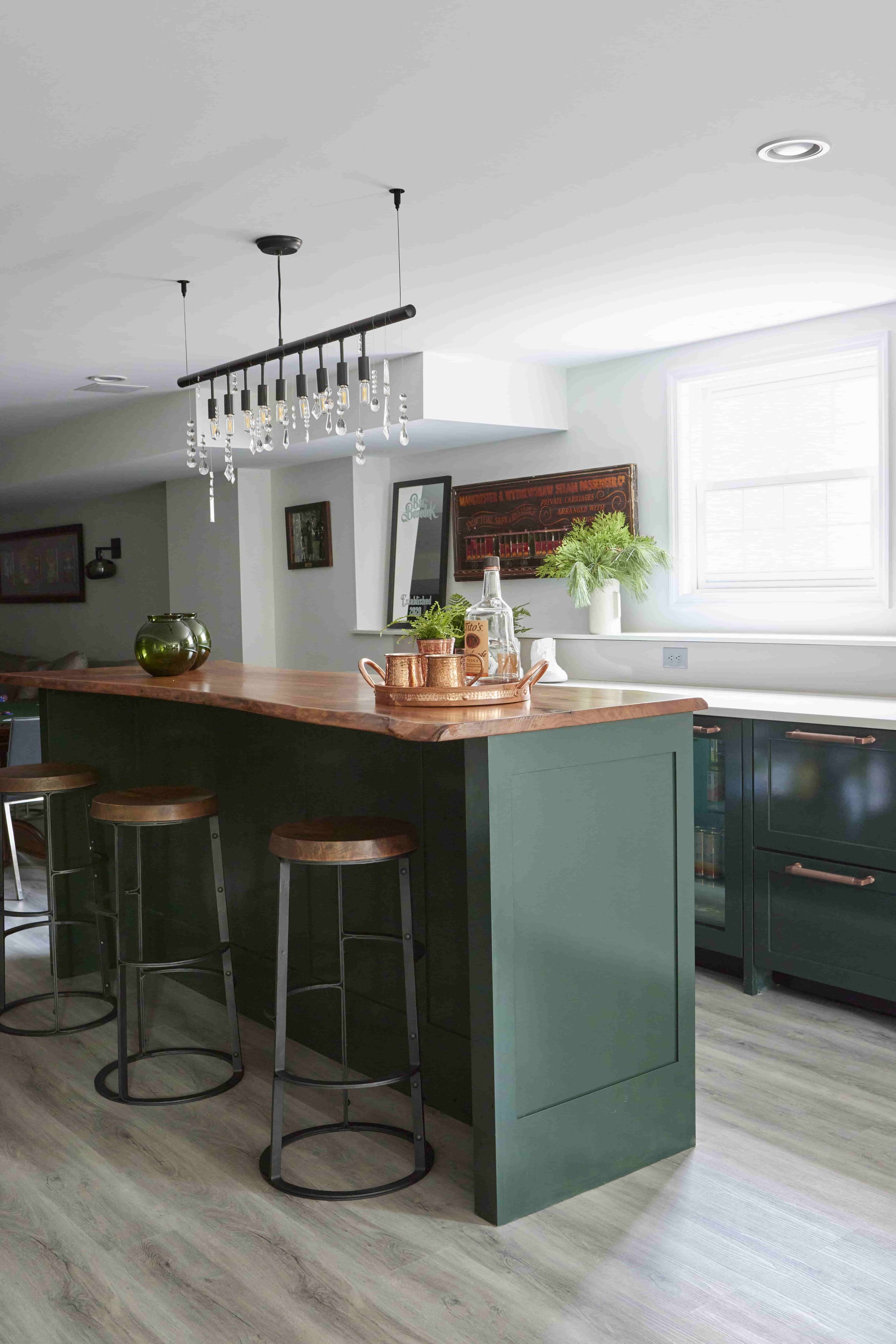
Embarking on a full service interior design project is both an exciting and thoughtful undertaking.
Whether you are renovating a long-loved home or furnishing a newly purchased residence, preparation ensures the process unfolds with clarity, confidence, and creative purpose.
From initial conversations to thoughtful documentation and home evaluation, this guide walks you through what happens before design begins.
By preparing your home and your priorities first, you set the stage for an inspired, seamless collaboration with your designer.
Reflect on How You Live
Before design begins, take a moment to observe your routines.
Which rooms do you use most? Which feel awkward or under-utilized? What routines or challenges shape your daily life in your home? Thoughtful answers to these questions help your designer understand not just how the house is arranged, but how it is lived in.
This reflective step is the foundation for a highly personalized design strategy.
Gather Inspiration and Clarify Intent
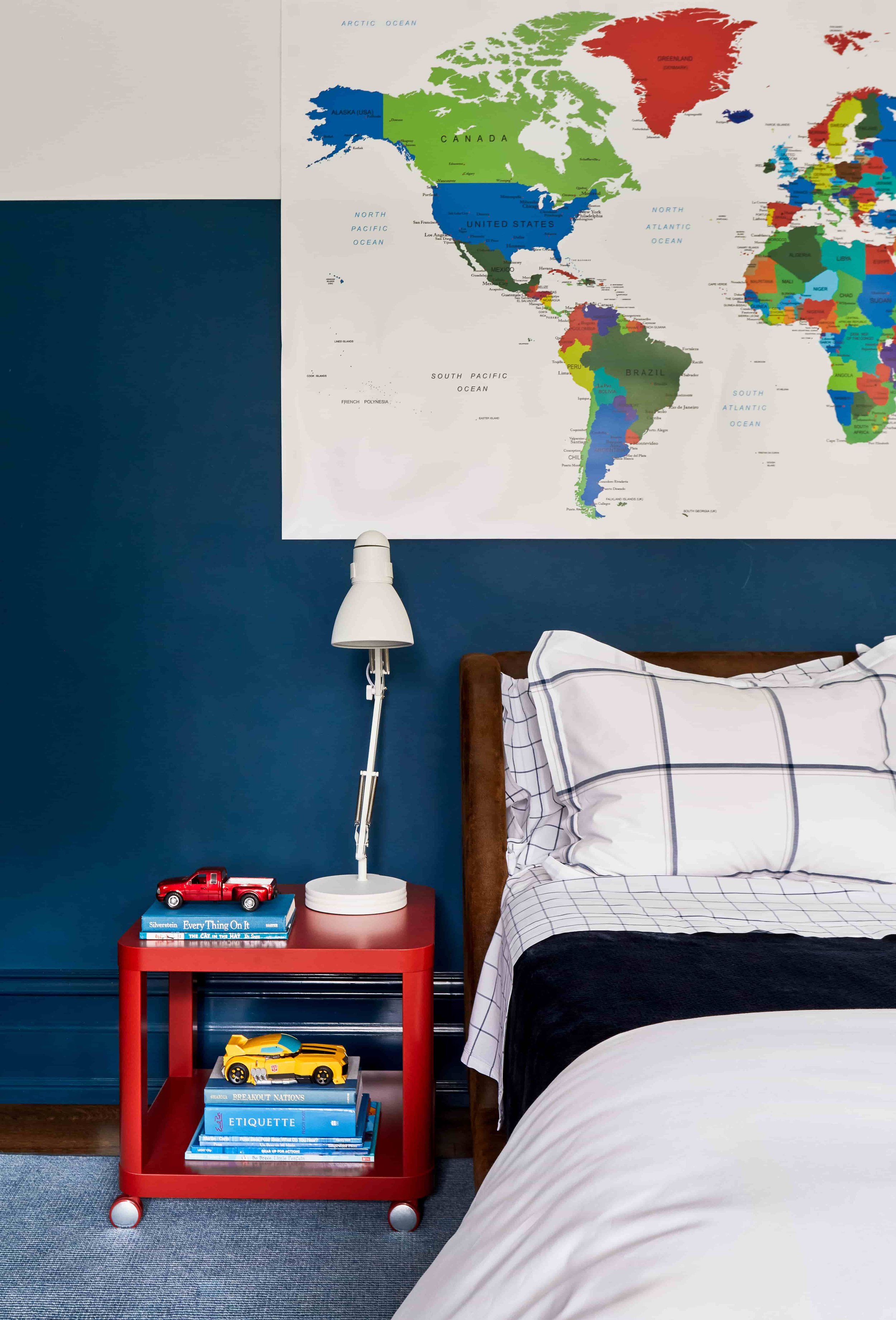
Begin to collect reference images, material ideas, and visual cues that resonate with you. These can be images from magazines, websites, or places you have visited. When collected mindfully, these cues help communicate your tastes far more quickly and precisely than descriptions alone.
Think in terms of mood, atmosphere, texture, and comfort rather than trending styles. A cohesive starting point accelerates design alignment.
Document Your Home Thoroughly
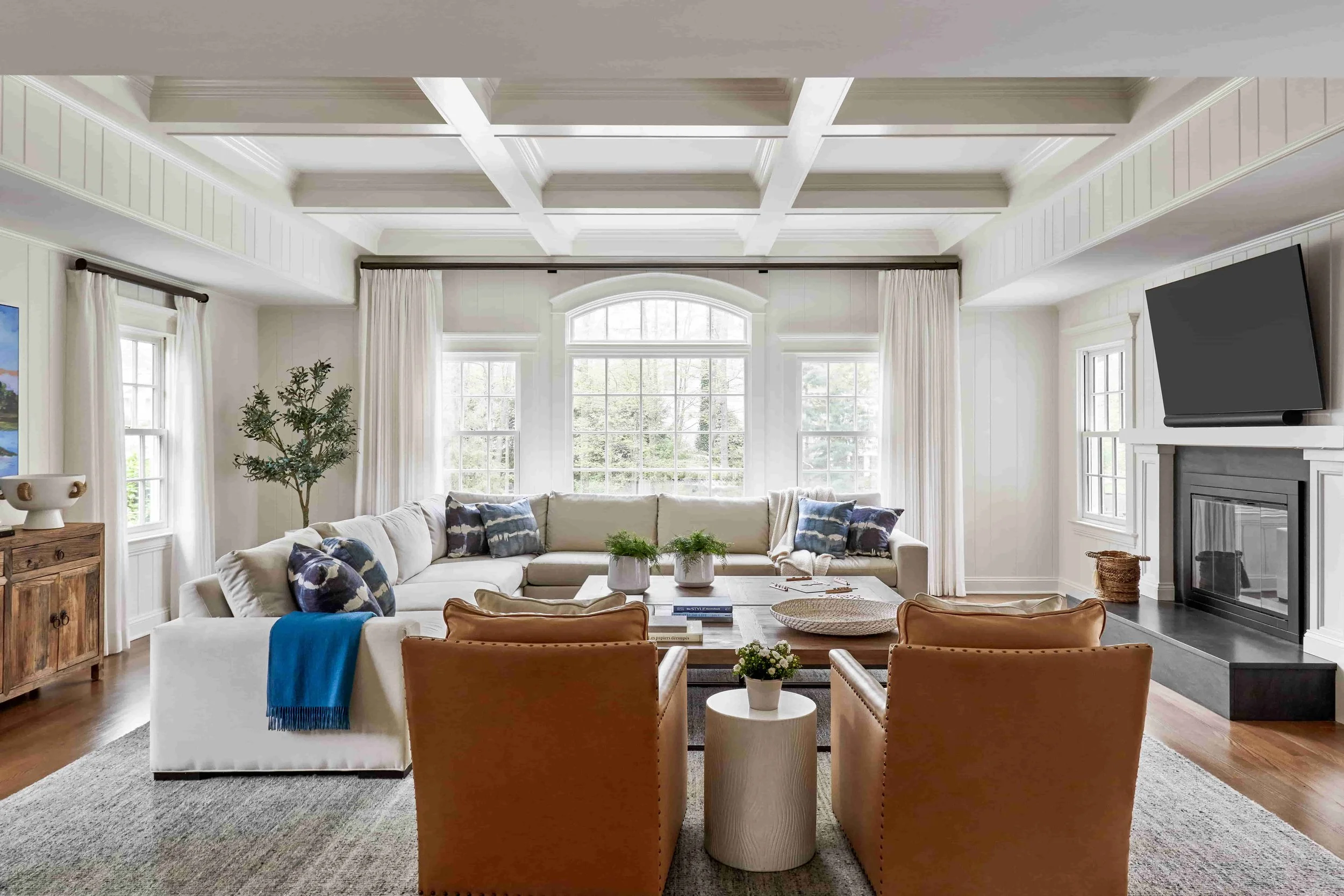
Designers work best with clarity, and clarity requires documentation.
Gather:
Existing floor plans
Photos of each room
Notes on what you like and do not like
Measurements if available
Accurate visuals and notes help the designer assess opportunities and constraints before the first meeting. This step makes early conversations more focused and productive.
Identify Your Priorities and Non-Negotiables
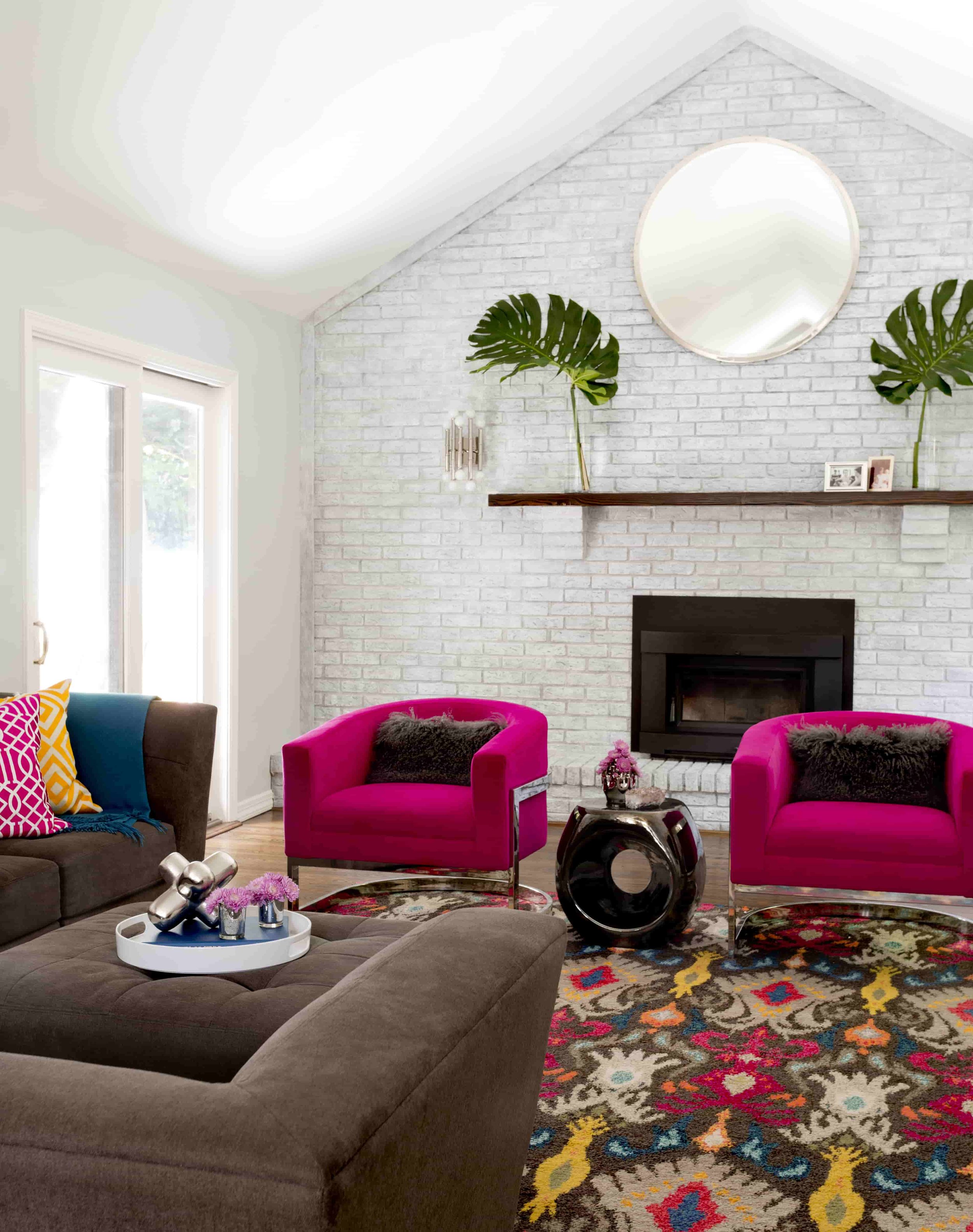
Every home has decisions that matter more than others. Before your consultation, think about what you cannot compromise on (for example, maintaining architectural details or preserving natural light) and what you are willing to explore or evolve.
Articulating priorities helps your designer balance creative possibilities with practical realities.
Prepare Questions for Your First Consultation
The first step with a designer is usually a consultation. Be prepared with thoughtful questions such as:
What is your design approach?
How do you handle project timelines?
What budget ranges should I consider for my scope?
How do you collaborate with architects or builders?
Well-prepared questions demonstrate intention and help you gauge whether this designer is the right collaborator for your home.

Create a Comfortable, Dedicated Space for Discussion
Whether the first consultation is in person or virtual, having your home ready—tidy, photographed, and organized—makes for a calm and productive conversation.
Pay particular attention to:
Clear access to the spaces you want to discuss
Readable plans or sketches if available
Sample finishes or materials you have already selected
This level of preparation communicates seriousness of intent and respect for the process.
Set Realistic Expectations for Timeline and Budget
Design projects evolve over time. Align expectations early by respecting that:
Custom pieces and production lead times vary
Renovations can reveal unforeseen conditions
Decisions early in the process shape later phases effectively
A transparent conversation about budget and timeline at the outset lays the groundwork for trust and efficiency.
Preparing for Design is Part of Design Itself
The preparation phase is more than logistics. It is an opportunity to clarify taste, uncover needs, and begin the pleasurable journey of shaping your home with intention and care. When both client and designer come to the table with clarity and purpose, the result is a home that feels carefully considered, deeply personal, and enduringly beautiful.
FAQs:
-
Collect photos of your home, note your likes and dislikes, gather measurements or plans if available, and prepare questions that communicate your priorities and goals.
-
Floor plans are very helpful when available. If they are not, photos and rough diagrams are a good starting point. Designers can help refine measurements during early conversations.
-
Visual inspiration boards, Pinterest boards, and curated images from magazines help communicate taste far more clearly than general descriptions.
-
It is helpful to think of your budget and priorities. Your designer will help you set a budget prior to beginning design work.
-
Absolutely. Preparation like documentation, defining priorities, and clear communication accelerates alignment with your designer and clarifies decision points early.
-
Avoid making major purchases or demolition decisions before you have consulted with your designer. Premature decisions can limit creative solutions.
Preparing your home thoughtfully is the first step toward a design experience that feels calm, intentional, and deeply rewarding. When the foundation is clear, the creative process can unfold with confidence and clarity. If you are considering a full service interior design project and would like guidance rooted in experience and discernment, we invite you to explore our interior design services and begin a conversation about your home.

Caroline Kopp Interior Design is an interior design studio creating serene interiors imbued with sophisticated color, a feel for quality, and a clean, refined aesthetic . Led by Caroline Kopp, the firm blends classic design principles with a modernist point of view, transforming spaces for discerning clients throughout Fairfield County, Connecticut.